
Last updated October 17, 2026
 Wrought iron
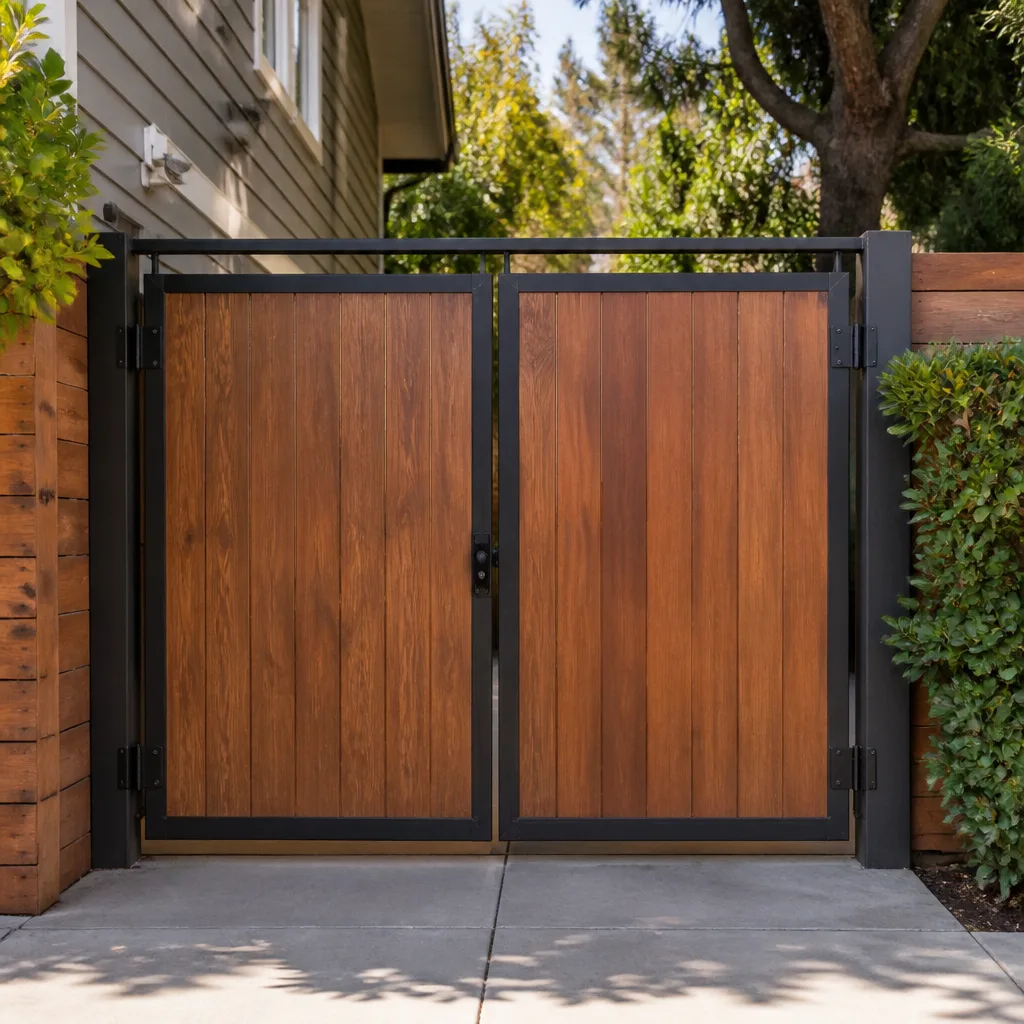 Wood & steel frame
 Farm & ranch
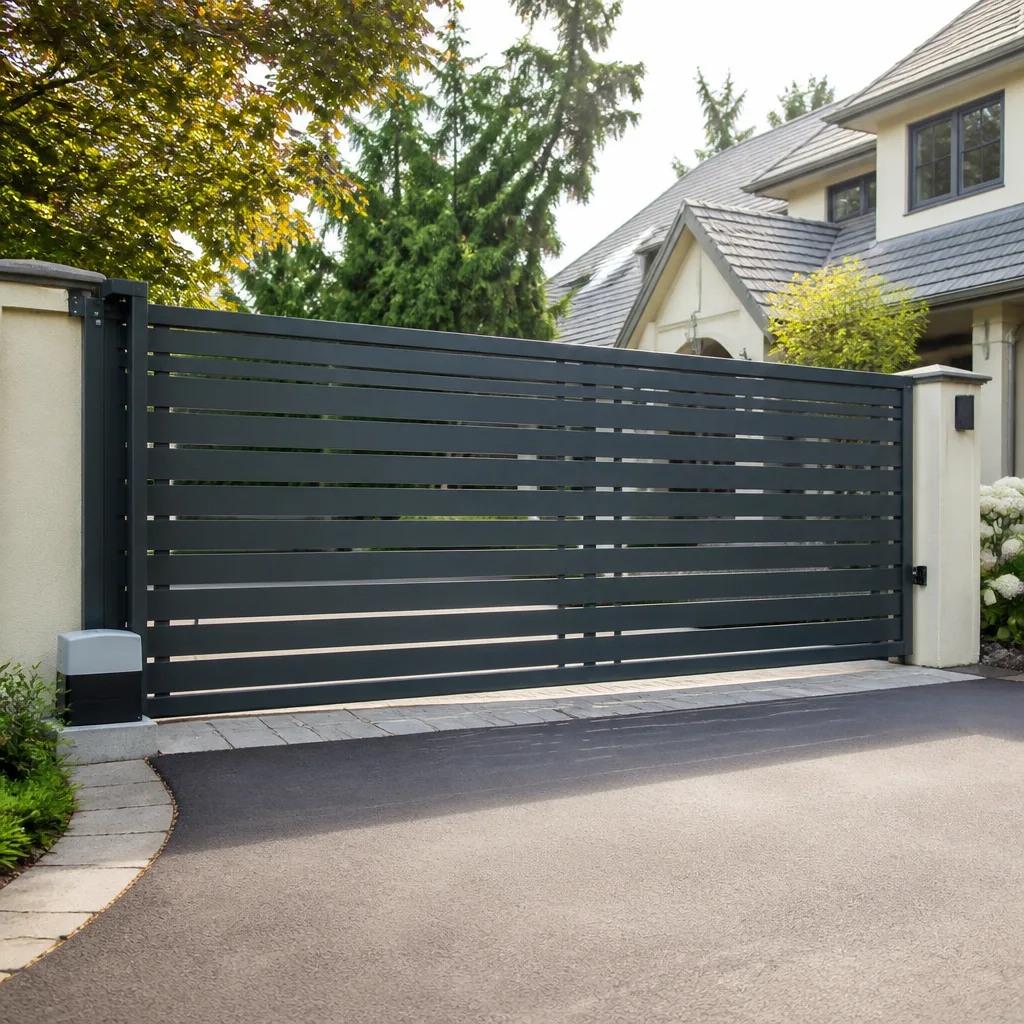 Sliding driveway gates
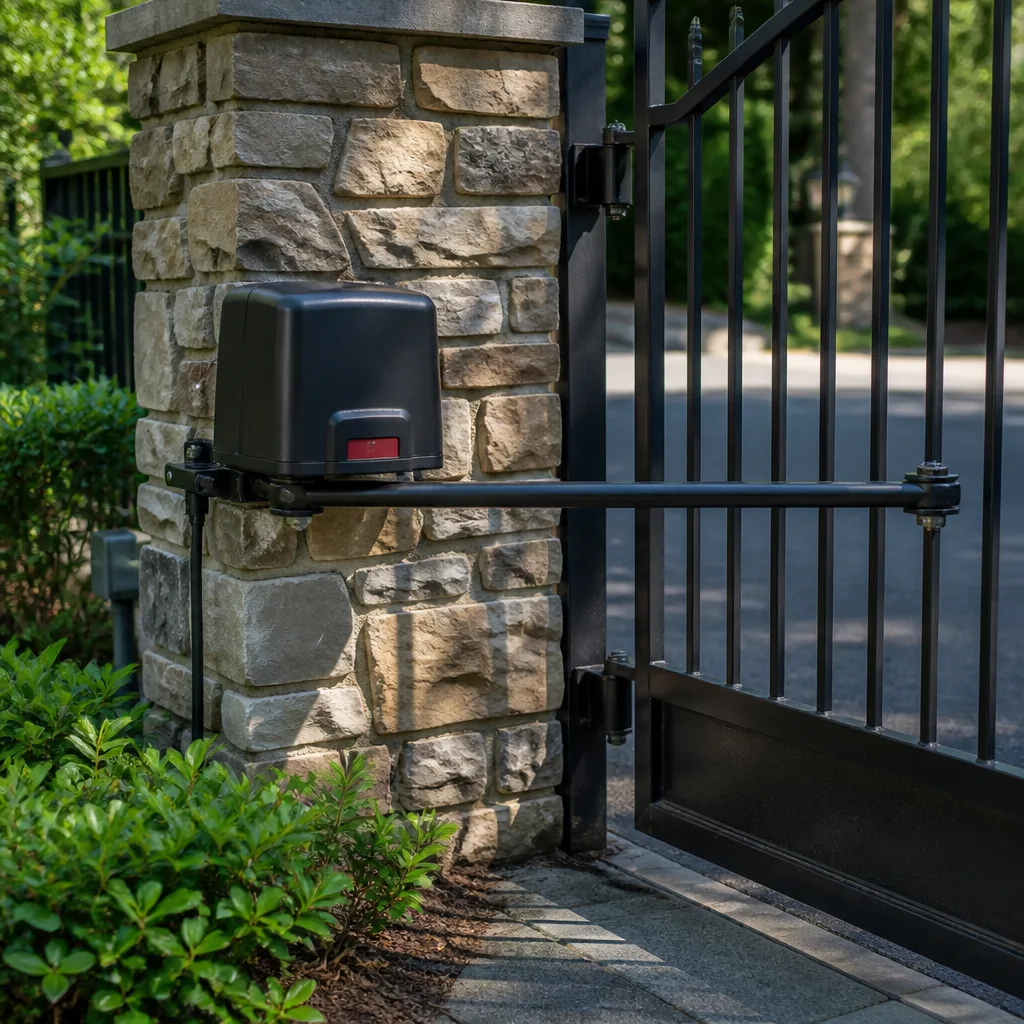 LiftMaster operators
Free on-site gate assessment - hinges, posts, and your LiftMaster or Nice gate operator checked before anything is quoted
The assessment is free and the quote is the invoice.
Get your free estimateGate Repair Maintenance Checklist for Riverside Homeowners
Here’s a counterintuitive fact about gate maintenance in Riverside: the standard “lubricate twice a year” advice you’ll find online was written for coastal climates, and it can actually shorten the life of your gate hardware here. Gate grease applied in January turns into an abrasive paste by August in Riverside. Dry heat bakes lubricants into a gritty compound that grinds against hinges and tracks every time the gate moves. This guide replaces generic advice with a maintenance routine calibrated to Riverside’s actual climate calendar: post-winter rain checks, pre-heat-season hardware preparation, and Santa Ana wind preparation. You’ll learn which lubricants actually survive a Riverside summer, how to spot ground heave before it cracks your post footer, and the specific safety checks that matter when kids and pets share a yard with an electric gate.
Styles & brands we work with
Quick Answer
A Riverside gate maintenance checklist should follow the local climate, not a generic calendar: inspect hinges, posts, and hardware in February after winter rains; switch to dry-heat-appropriate lubricant and re-torque all fasteners in April before temperatures climb; test electric gate safety edges and auto-reverse sensitivity monthly; and complete Santa Ana wind preparation in September. Most Riverside homeowners can handle basic inspection and cleaning themselves, but hinge replacement, post footer repair, and electric gate electrical work should be handled by a Gate Repair services specialist.
Table of Contents
- Why Standard Gate Maintenance Advice Fails in Riverside
- The Riverside Month-by-Month Gate Maintenance Calendar
- Lubrication for Dry Heat: What to Use and What to Skip
- How to Check Your Post Footer for Ground Heave
- Electric Gate Safety Checks for Homes with Kids and Pets
- The Photo Log: Documenting Maintenance for the 365-Day Done Right Promise
- Common Mistakes to Avoid
- When to Call a Professional
- Frequently Asked Questions
- The Bottom Line
Why Standard Gate Maintenance Advice Fails in Riverside
Riverside sits in a semi-arid climate with summer temperatures routinely passing 95 degrees and winter rains that arrive in concentrated bursts. That combination creates two problems for gate hardware that Seattle or San Diego guides never address. First, heat accelerates oxidation on uncoated hinges and latch components. Second, the freeze-thaw effect is minimal, but the clay-heavy soil in much of Riverside expands and contracts with moisture dramatically, which stresses post footers more than most homeowners realize. A maintenance checklist written for a wet climate skips the dry-heat tasks that prevent the most common Riverside gate failures. That’s what this guide fixes.
In our experience, the two most frequent service calls we see in Riverside are hinges that have seized from caked-on lubricant and posts that have shifted enough to throw the gate out of alignment. Both are preventable with a maintenance schedule that respects the local weather. When you maintain a gate by Riverside’s calendar rather than a generic one, you add years to the hardware and avoid the kind of failure that leaves a gate sagging or refusing to close at all. And if you’re ever unsure whether a sound or a wobble is normal, gate repair in Riverside starts with a straight answer, not a sales pitch.
The Riverside Month-by-Month Gate Maintenance Calendar
This calendar is built around Riverside’s actual seasonal shifts. You won’t do every task every month, but the sequence matters: checking the right thing at the right time catches failures before they strand a gate open or lock one shut.
February: Post-Rain Inspection
Riverside’s heaviest rain tends to fall between December and March. By February, soil around your post footers has absorbed enough water to reveal movement. This is the month for a full structural walk-around:
- Check both gate posts (or all four if you have a double gate) with a small level placed vertically against the face of each post. If the bubble drifts outside the center lines, the post is moving.
- Look at the gap between the gate and the post at the top, middle, and bottom. The gap should be consistent. A wider gap at the top suggests the post is leaning away from the gate.
- Inspect the ground directly around the post footer for hairline cracks in the concrete or soil depressions.
- Open and close the gate slowly. A gate that swings freely until it reaches one specific point, then drags or catches, is showing early misalignment.
- Test the latch. Post-winter moisture often causes latch bolts to stick. If the latch requires force, clean it before spring.
April: Pre-Heat Hardware Check
April is the month to prepare for Riverside’s summer. Temperatures are still moderate, so this is the right time to perform the tasks that will protect hardware through the hottest months:
- Remove old lubricant from hinges, latch components, and any exposed moving hardware. Use a dry cloth or a mild degreaser. The goal is to strip the winter build-up before it bakes on.
- Re-torque every accessible bolt, screw, and hinge fastener. Metal expands in heat, so fasteners that are snug in April may loosen by July if they aren’t set first.
- Check the gate’s welded joints for hairline cracks. Heat stress widens existing cracks. Catching them in April means a simple weld repair instead of a full hinge replacement in August.
- Apply the correct lubricant for your gate material and hardware type (see the section below for specific guidance).
- If your gate has an automatic opener, check the motor’s ventilation. Dust accumulates inside the housing, and that dust traps heat.
May through August: Dust and Dry-Heat Monitoring
Riverside’s dry season brings two maintenance concerns: dust accumulation and accelerated wear on any under-lubricated part. Once a month during this window:
- Wipe down exposed hardware with a dry cloth. Dust acts as a fine abrasive against moving parts.
- Listen for changes in the gate’s sound. A squeak that wasn’t there in May is the earliest sign of friction. Address it immediately rather than waiting.
- Check that hinges haven’t accumulated debris. Wind-blown dust mixes with any residual oil and forms a paste.
- For automatic gates, clear leaves and debris from the track or chain path. Riverside’s Santa Ana winds in late summer can deposit surprising amounts of material.
September – October: Santa Ana Wind Preparation
Santa Ana winds arrive in Riverside as early as September. Strong gusts stress every component: hinges, latch plates, post connections, and especially automatic openers that fight against wind resistance.
- Verify that the gate’s latch is fully engaging. A latch that only partially catches can be blown open by a strong gust.
- Check that gate stops are secure. Gate stops prevent the gate from over-swinging and ripping the latch plate off the post.
- For chain-driven electric gates, verify chain tension. Loose chains jump sprockets under wind load.
- Remove any nearby branches or loose yard items that could strike the gate in high winds.
- Test the auto-reverse safety mechanism (the specific steps are in the safety section below).
November – January: Minimal-Maintenance Period
Riverside’s cooler months are the least demanding on gate hardware. This is the time for deep cleaning rather than repairs. Use this period to:
- Wash the gate surface with mild soap and water. For wrought iron, this exposes any rust spots before they become structural.
- Inspect all welds and connection points under good lighting.
- Test the gate’s overall alignment after a full year of use.
- Review your photo log (see the photo log section) to spot slow drift in alignment that you might otherwise miss.
Lubrication for Dry Heat: What to Use and What to Skip
This is where generic advice fails Riverside gates. In a humid climate, oil-based lubricants stay viscous and perform well. In Riverside’s dry heat, the same lubricant loses its lighter fraction to evaporation and leaves behind a sticky residue that mixes with dust. The result is a paste with the consistency of fine-grit sandpaper. It wears hinge pins faster than no lubrication at all.
For Wrought Iron Gates
Wrought iron hinges are typically barrel hinges with exposed metal pins. The right lubricant here is a dry lubricant with graphite or PTFE, not oil. Dry lubricants leave a thin film that doesn’t attract dust. Apply it sparingly to the hinge pin and the latch mechanism every April. If you see old, darkened grease baked onto the hinge, remove it first with a degreaser, wipe it dry, and then apply the dry lubricant. A can of dry PTFE spray typically costs between $8 and $15 at any Riverside hardware store, and one can lasts most homeowners two to three years.
For Aluminum Gates
Aluminum gates often use adjustable hinges with brass or nylon bushings. These bushings are designed to run dry or with minimal lubrication. Over-lubricating an aluminum gate hinge actually pushes dirt into the bushing and accelerates wear. For aluminum, the correct maintenance is cleaning, not lubing. Wipe the hinge area down monthly during the dry season. If you hear a persistent squeak, apply one or two drops of a light machine oil, then wipe away any excess immediately.
For Wood Gates
Wood gates in Riverside face a different problem: the dry air pulls moisture out of the wood, causing it to shrink. That shrinkage moves the hardware alignment and loosens screws. Your first maintenance step for a wood gate is tightening the lag screws that hold the hinges to the wood. Only after the hardware is snug should you address lubrication. Wood gate hardware is typically painted steel, which responds well to a small amount of white lithium grease applied to the hinge pin only. Reapply once per year in April.
What Not to Use on Automatic Gate Tracks
Automatic sliding gates ride on a track, and that track must stay completely free of lubricant. Grease or oil on a slide gate track collects Riverside dust within days and forms a grinding compound that damages both the track and the gate rollers. Slide gate tracks are designed to run dry. The correct maintenance is cleaning: sweep the track monthly, remove any debris with a brush, and wipe the rollers clean. If the track is noisy, that’s a sign of a roller or track alignment issue, not a lubrication need. The same rule applies to chain drives: keep the chain clean and dry, and if you’re adjusting tension, follow the opener’s manual rather than guessing.
For electric gate openers, lubrication belongs only on components the manufacturer specifies. Some Linear and DoorKing models have grease points on the internal drive mechanism, while others are permanently sealed. If you’re unsure, consult the manual or ask a professional. Applying grease to a sealed component does more harm than good. When in doubt, electric gate repair in Riverside specialists can identify what needs service during a routine check.
How to Check Your Post Footer for Ground Heave
Ground heave is the slow, invisible movement of soil that shifts your gate post out of alignment. Riverside’s clay-heavy soil expands when wet and contracts when dry, and that cycle moves posts over time. The damage starts below the surface, which means you won’t see it unless you know how to look. Here’s a 10-second test using a $4 torpedo level:
- Place the torpedo level vertically against the inside face of the gate post, the side that faces the gate opening.
- Read the bubble. If it’s centered, the post is still plumb in that plane.
- Rotate 90 degrees and place the level against the adjacent face of the same post.
- Read the bubble again. If it drifts outside the lines in either plane, the post footer has shifted.
- Repeat for every post, including the latch post (the post the gate closes against).
A single off-plumb reading doesn’t mean the post is failing; it means the footer has moved enough to be measured. That’s the earliest possible warning sign. The next step is to observe the gap between the gate and the post over a few weeks. If the gap grows, the movement is active, and the footer needs attention before the post fractures or the gate permanently falls out of alignment. The repair for a shifted footer typically involves exposing the concrete base, re-setting the post, and re-securing it with new concrete-a process covered in detail in our guide to Gate Repair Permits, Codes & Inspections in CA: What You Need to Know. That’s not a DIY project for most homeowners, because getting the post perfectly plumb while the concrete cures requires temporary bracing and a second set of hands. It’s also the kind of job where doing it wrong creates a worse problem than the one you started with.
If you’re planning a new installation as part of replacing a failed post, gate installation in Riverside starts with a footer assessment so the new post doesn’t inherit the old one’s problems.
Electric Gate Safety Checks for Homes with Kids and Pets
An electric gate that operates correctly is convenient. An electric gate with a misadjusted safety system is dangerous, especially in a yard where small kids or pets are present. These checks should be done monthly, and they take less than five minutes. You’ll need a cardboard box or a traffic cone for the sensitivity test.
Gap measurement: Measure the gap between the gate and the post when the gate is fully open. The gap between the bottom of the gate and the ground should be no more than 4 inches, and the gap between the gate and the hinge post should also be under 4 inches from bottom to top, or 2 inches where the gate meets the latch post. Larger gaps create pinch points. If your gate exceeds these measurements, it needs a gap guard or panel adjustment.
Auto-reverse sensitivity test: Place a cardboard box or traffic cone in the gate’s path, then trigger the gate to close. The gate should detect the obstruction and reverse direction before crushing the box. If it doesn’t reverse, the opener’s sensitivity setting needs adjustment. This is the same test UL uses to certify electric gate openers. It should be repeated every month, not just once a year.
Loop detector clearance: If your driveway gate uses an in-ground loop detector to open automatically for vehicles, check that the area around the loop isn’t covered by leaves, debris, or standing water. Riverside’s dry season dust builds up along the driveway edge and can insulate the loop enough to reduce its sensitivity. A loop that doesn’t trigger reliably is a safety problem when a car is approaching.
Photo eye check: Many automatic gates include a photo eye sensor near the base of the gate opening. Wipe the lens clean monthly with a dry cloth. Dust and spider webs are the two most common causes of photo eye failures in Riverside yards.
We choose pet-safe lubricants where there’s a choice, and we can schedule around nap time if quiet matters. Those aren’t afterthoughts; they’re part of the C.A.R.E. values we work under. When we’re inside your home checking a gate opener’s interior control panel, we lay drop cloths on the floor and put on shoe covers before we step inside. Your floors stay clean. That’s the standard every gate maintenance visit should meet.
The Photo Log: Documenting Maintenance for the 365-Day Done Right Promise
A photo log solves two problems at once. It gives you a visual record of your gate’s condition over time, which makes it easier to spot slow deterioration. And it protects your rights under a service guarantee by proving what the gate looked like before and after any work. Here’s how to build one:
- Choose a consistent set of photo angles: one photo of the full gate from the street side, one from the yard side, one close-up of each hinge, one of the latch, and one of the post footer area. If it’s an electric gate, add one of the opener housing and one of the track or chain.
- Take this photo set once per season, or four times per year: February, May, September, and December works well for Riverside’s climate calendar.
- Name each photo with the date and angle, and store them in a folder on your phone or computer. Photos don’t need to be professional quality; they need to be consistent.
- After any professional repair or installation, take the same photo set the same day the work is completed.
- If you notice a problem developing, compare the current photo to the previous season’s photo. Side-by-side comparison reveals movement, rust progression, or hardware wear that’s easy to miss in isolation.
When you work with Latch and Post Gate Repair Riverside home service, the technician takes cleanup photos before they leave, and you can add those to your log. If a repair under the 365-Day Done Right Promise ever needs to be revisited, those photos and yours establish exactly what the gate looked like before the work. The promise covers every repair and installation: if it’s not done right, we make it right. No argument, no fine print. Your photo log makes invoking that promise straightforward.
Common Mistakes to Avoid
- Lubricating on a fixed twice-a-year schedule without considering Riverside’s heat. In a dry climate, the April application is the one that matters most. Lubricant applied in October survives the winter but turns abrasive by late summer. Clean and reapply in April, not just “every six months.”
- Greasing a slide gate track. This is the single most common mistake we see on Riverside electric gates. Tracks run dry, period. Grease plus Riverside dust equals grinding compound.
- Skipping the auto-reverse test because the gate “seems fine.” Safety settings drift over time as sensors age and mechanical components wear. A gate that closed correctly on a pet last month may not do it this month. Monthly testing is the only way to know.
- Ignoring a slightly off-plumb post because the gate still opens and closes. Ground heave moves slowly, then rapidly. The gate that still works with a leaning post is a gate that’s weeks away from a failed latch or a cracked weld.
- Painting over rust on a wrought iron gate without addressing the cause. Paint masks rust; it doesn’t stop it. The rust is caused by moisture trapped against the metal or exposed bare steel. Remove the rust, treat the metal, and then paint.
- Overtightening hinge fasteners on a wood gate in summer. Dry Riverside air shrinks wood, and overtightened lag screws strip out the wood fiber. Snug is right; forced is a stripped hole waiting to happen.
- Running an automatic gate with visible chain slack because “it still opens.” A loose chain under Santa Ana wind load can jump the sprocket entirely, leaving the gate jammed mid-travel or free-swinging.
When to Call a Professional
Some gate problems are genuinely dangerous to work on, especially high-tension springs on overhead gates, electrical wiring inside opener housings, and any post that’s shifted enough to require footer excavation. If you find a cracked weld on a hinge, a post that’s moved out of plumb in both planes, an opener that trips a circuit breaker, or a safety sensor that won’t reverse the gate, stop and get help-these are all Gate Repair Warning Signs: A Riverside Homeowner’s Reference Guide recommends addressing immediately. These aren’t projects where a wrench and a YouTube video are the right call.
Latch and Post Gate Repair Riverside offers free estimates in Riverside – call (341) 895-4331. Every job starts with a written price before any work begins. No pressure, no surprises. Our technicians are background-checked and uniformed, and they’re factory-trained on the brands families actually own: LiftMaster, FAAC, BFT, Linear, Viking, Ghost Controls, DoorKing, Elite, and Mighty Mule.
Frequently Asked Questions
Basic gate maintenance in Riverside typically runs between $85 and $200 for a professional inspection and tune-up, depending on the gate type and the amount of corrective work needed. Replacing a worn hinge runs $150 to $400, and adjusting an automatic opener’s safety settings is usually included in a service call that starts around $95 to $150. You’ll see the exact number in writing before we touch anything. Call (341) 895-4331 for a free estimate.
Riverside homeowners should perform seasonal checks four times per year, in February, April, September, and December, with monthly quick checks for electric gate safety systems during the summer dust season. The April and September checks are the most important because they prepare the gate for the two most demanding seasons: summer heat and Santa Ana winds.
Yes, you can lubricate hinges and latch components yourself if you use the right lubricant for your gate material and application. Use dry PTFE or graphite lubricant for wrought iron hinges, nothing on aluminum bushings except light machine oil when they squeak, and white lithium grease on painted steel hardware. Never lubricate an automatic gate track. For the track and opener internals, a professional check is safer.
A dry PTFE or graphite-based lubricant works best for Riverside’s dry heat, because it leaves a film that doesn’t attract dust and doesn’t bake into an abrasive paste the way oil-based products do. Apply it in April after cleaning off the previous year’s buildup, and wipe away any excess.
Place a torpedo level against the face of the post, then rotate 90 degrees and check the adjacent face. If the bubble drifts outside the center lines in either direction, the post has shifted. Watch the gap between the gate and the post over the following weeks. A growing gap means the movement is active and the footer needs professional attention.
Stop using the gate immediately and switch the opener to manual mode if possible. A failed auto-reverse mechanism means the gate can close on a child, a pet, or a car. This is a safety failure, not a convenience issue. Call (341) 895-4331 for a free estimate – a Latch and Post technician can adjust or replace the safety system so it works correctly.
We’re factory-trained on LiftMaster, FAAC, BFT, Linear, Viking, Ghost Controls, DoorKing, Elite, and Mighty Mule. If your opener is one of those brands, we have the training and the parts to service it correctly on the first visit. If it’s not, we’ll tell you straight out rather than pretending.
The Bottom Line
A Riverside gate maintenance checklist works when it follows the local climate calendar. Check posts and hinges after the winter rains in February, re-torque and re-lubricate in April before the heat arrives, monitor dust and noise monthly through the summer, and prep for Santa Ana winds in September. Use dry lubricants on wrought iron, keep slide gate tracks clean and dry, and test electric gate safety systems every month. Document everything with a seasonal photo log so you can spot slow problems and protect your service guarantees, and explore our more guides & resources for year-round gate care. If a check finds something beyond your comfort level, Latch and Post Gate Repair Riverside is one call away at (341) 895-4331. Every call is answered by a live person, every job gets a written price before work starts, and every repair comes with the 365-Day Done Right Promise.
Written by Cody Beckman, Owner at Latch and Post Gate Repair Riverside, serving Riverside since 2009.
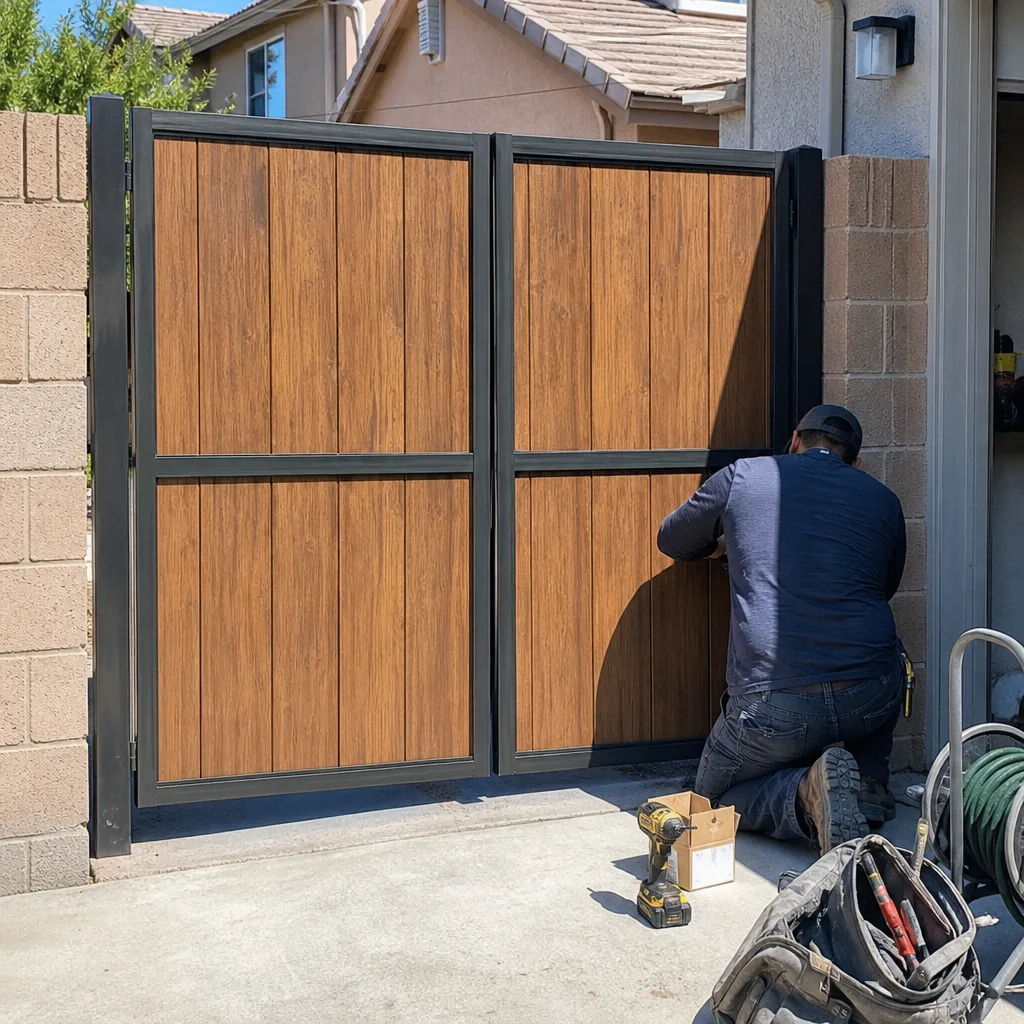
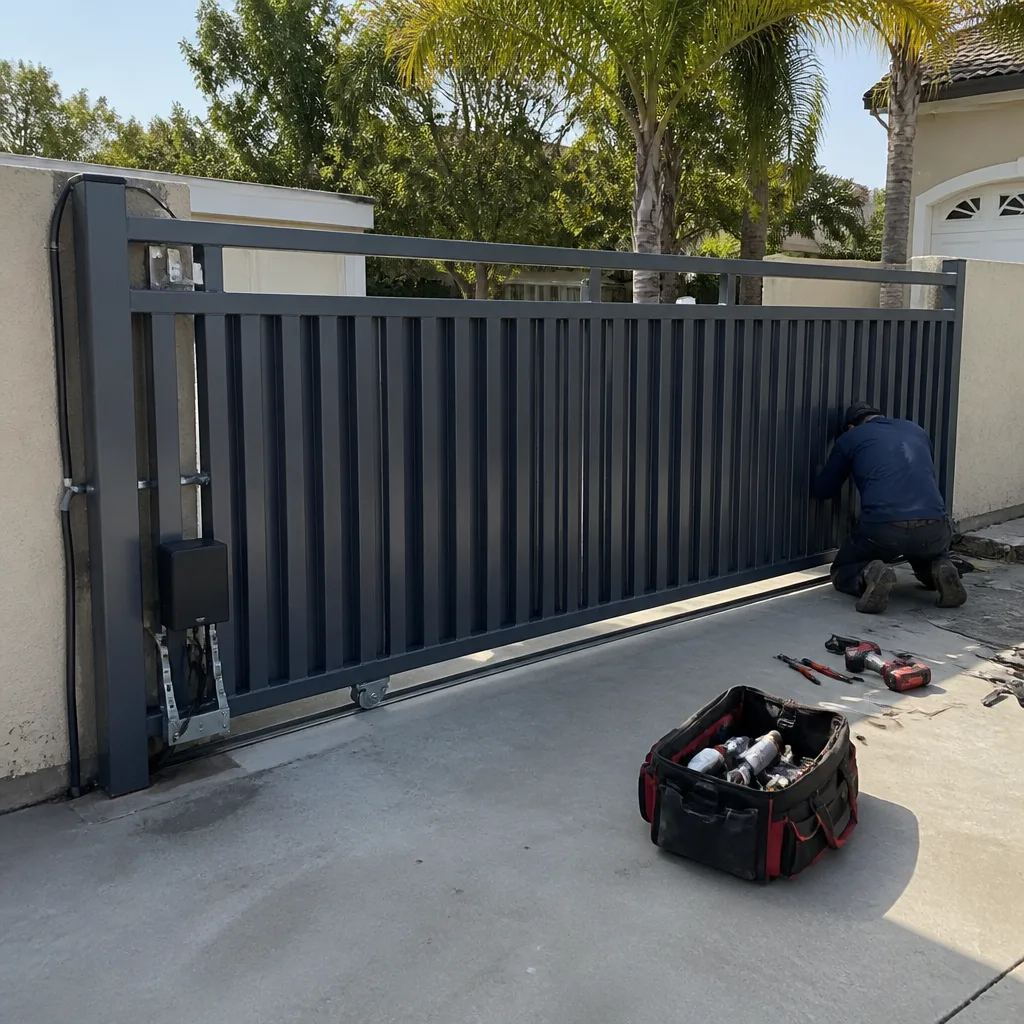
See the difference
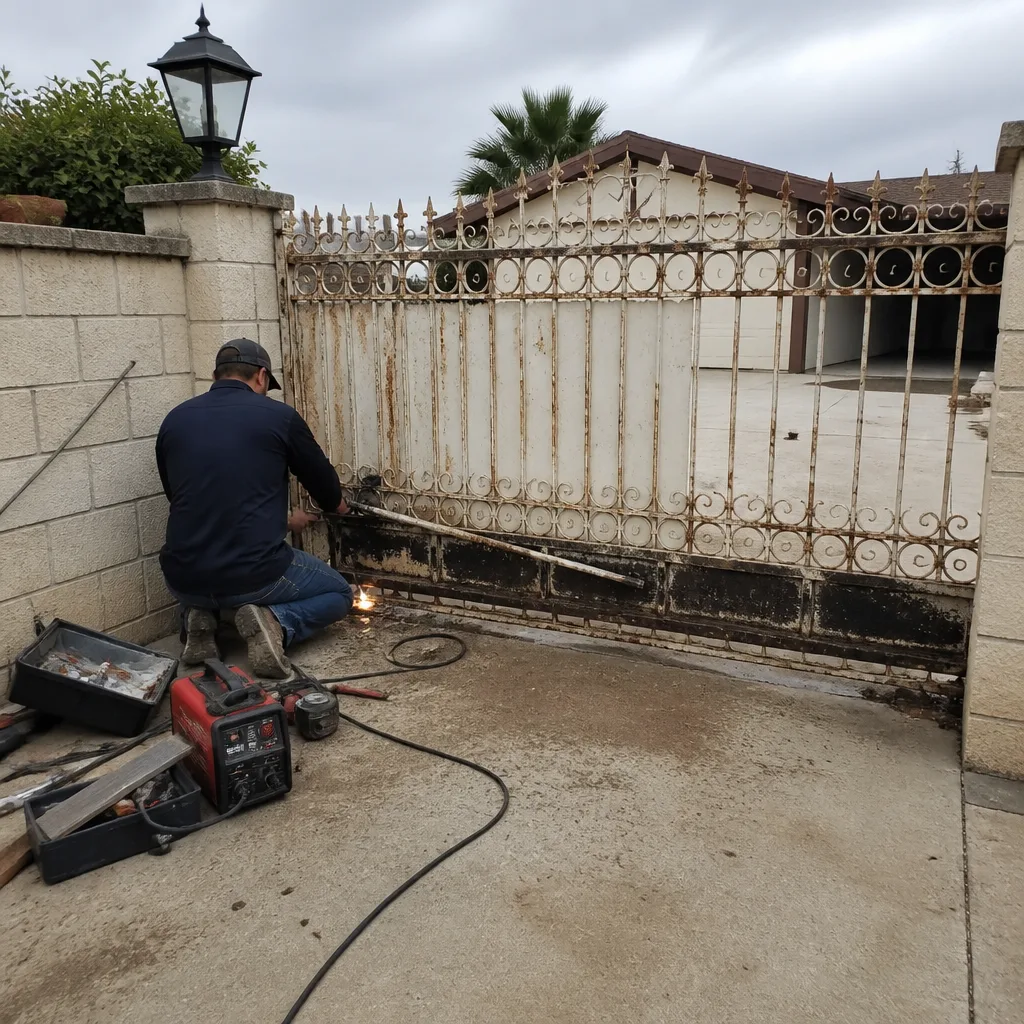 Before
 After
After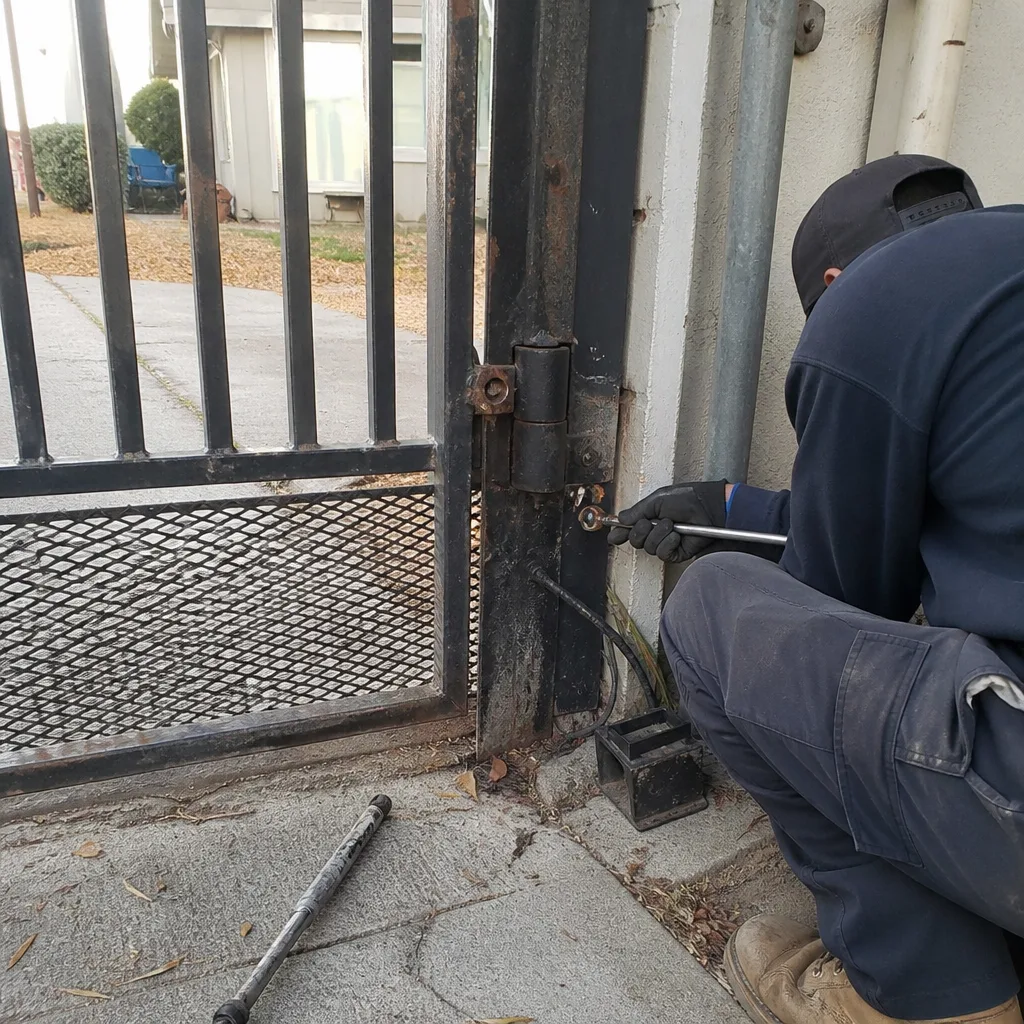 Before
 After
After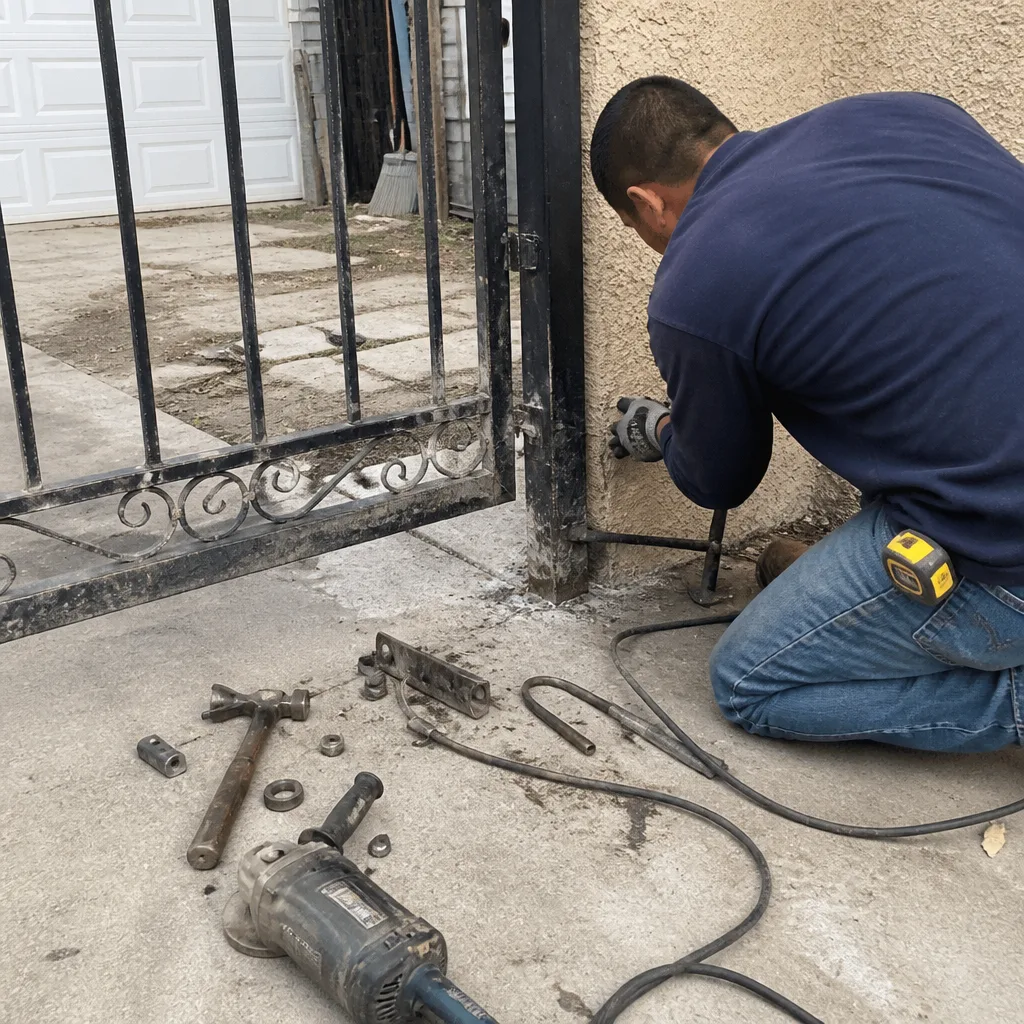 Before
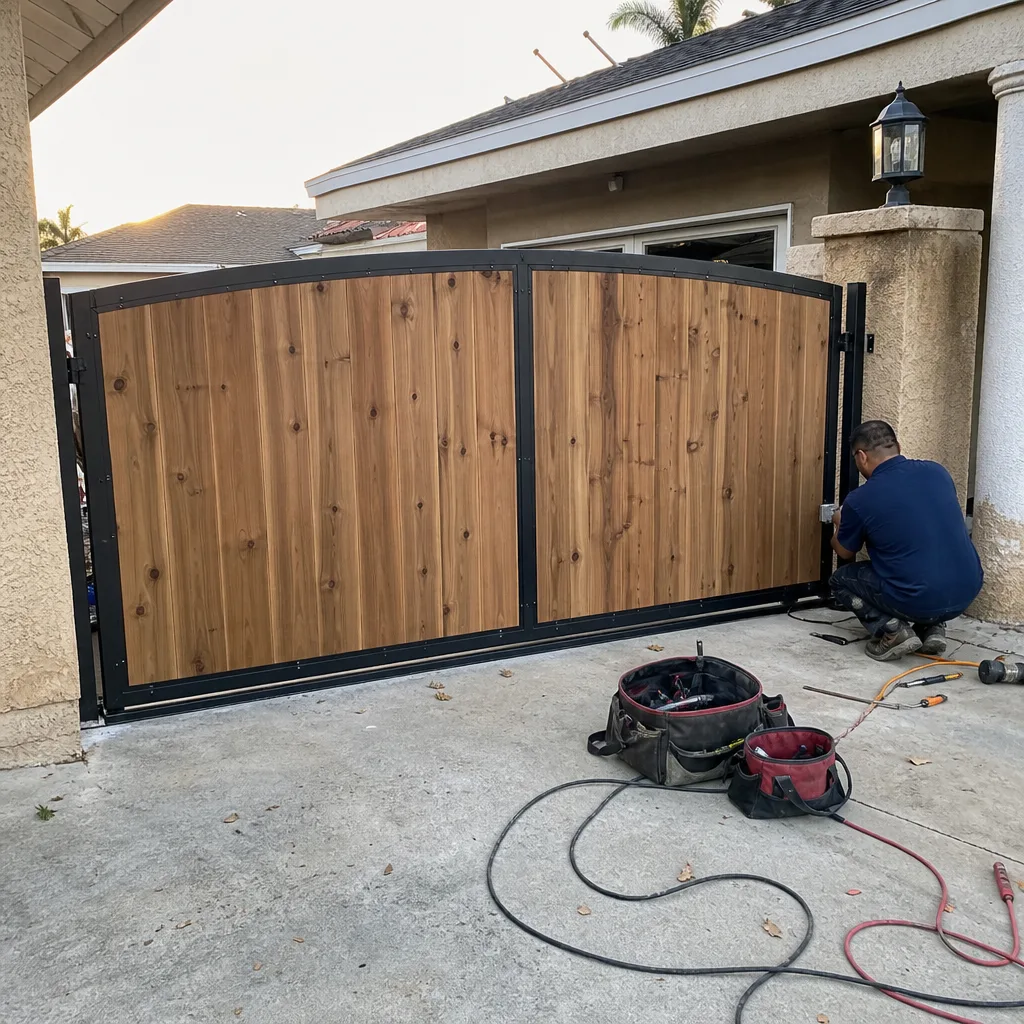 After
After